newdpc.co.uk
When I survey or repair a property, every decision I make is based on recognised industry guidance.
This page explains the main standards I follow — what they mean, and why they matter.
Knowing these references helps my clients understand that their project is designed, installed and guaranteed the right way.
The PCA is the leading UK body for specialist contractors in damp proofing, structural waterproofing and timber preservation.
What PCA guidance means for you:
Work is carried out to a national Code of Practice.
Surveys use PCA-approved diagnostic methods.
Only accredited products and systems are used.
Work can be protected by an Insurance-Backed Guarantee.
Designing Waterproofing Systems That Work. This British Standard defines the principles for keeping basements and substructures dry. Key points include:
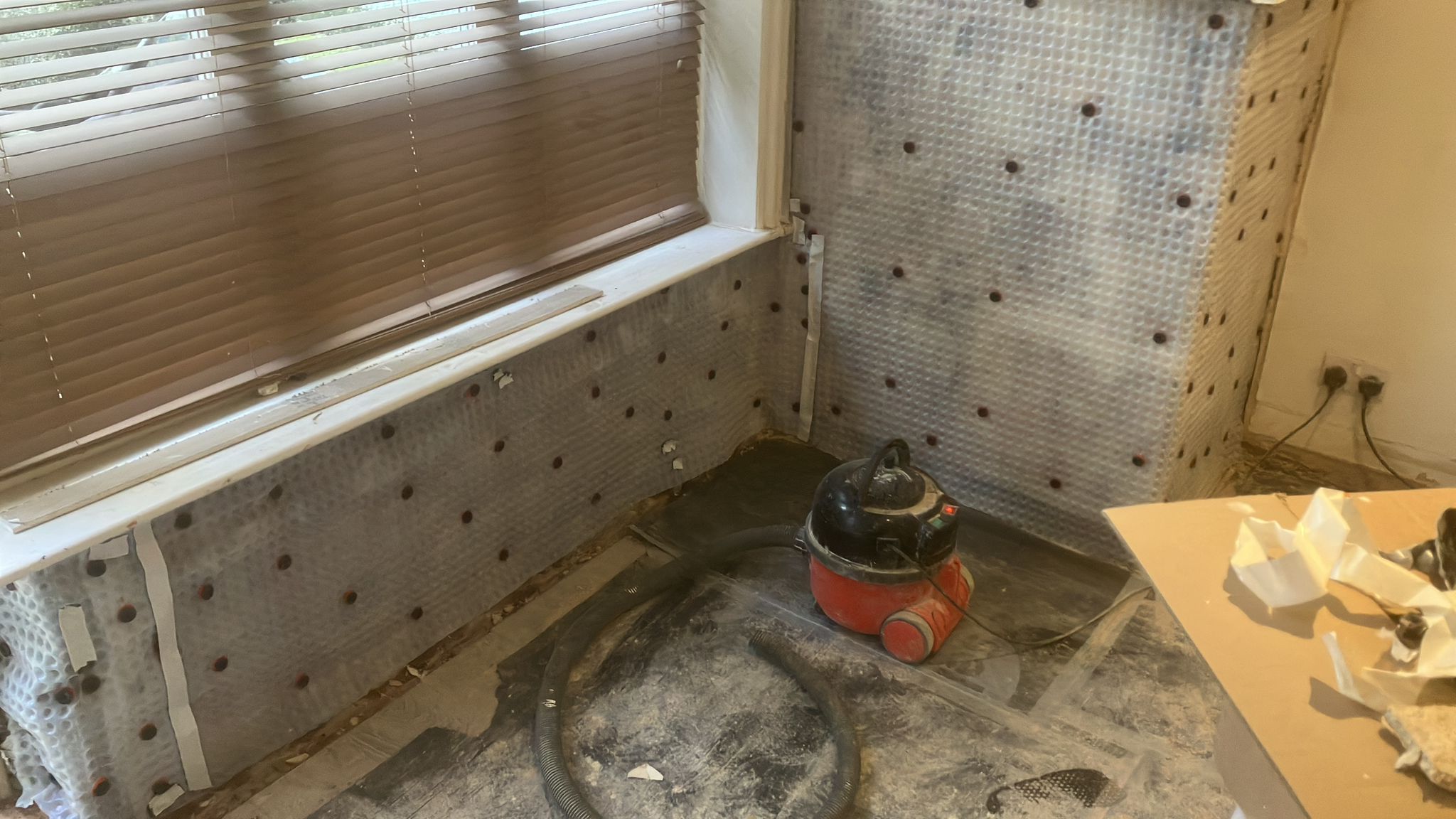
Three Types of Protection: Type A (Barrier), Type B (Integral), Type C (Drained Cavity).
Combined Protection: Use of two systems to reduce risk.
Design Responsibility: A CSSW-qualified designer should be involved from the outset.
Risk Assessment: Groundwater conditions and intended use determine design.
Maintenance: Type C systems require planned servicing.
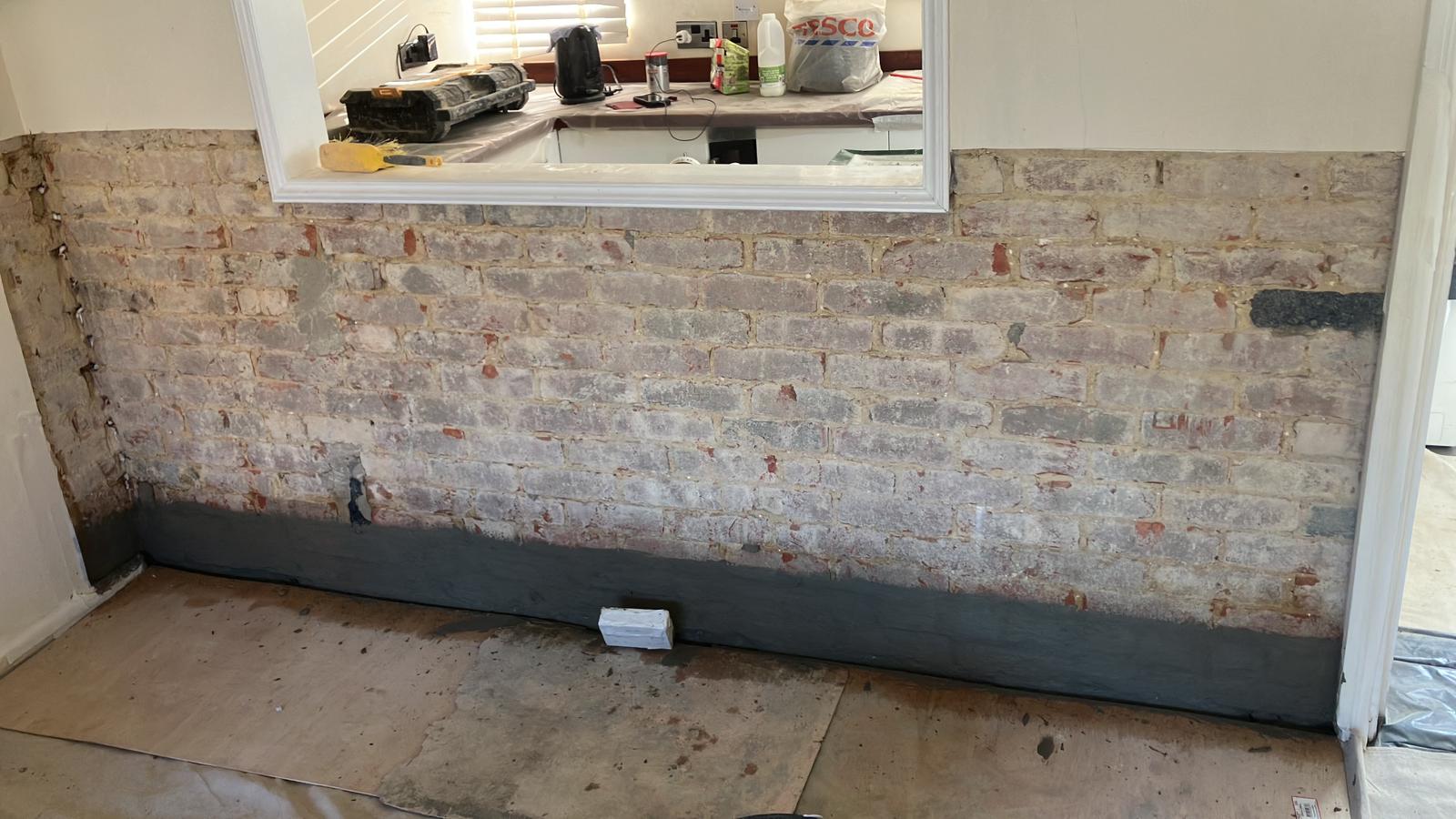
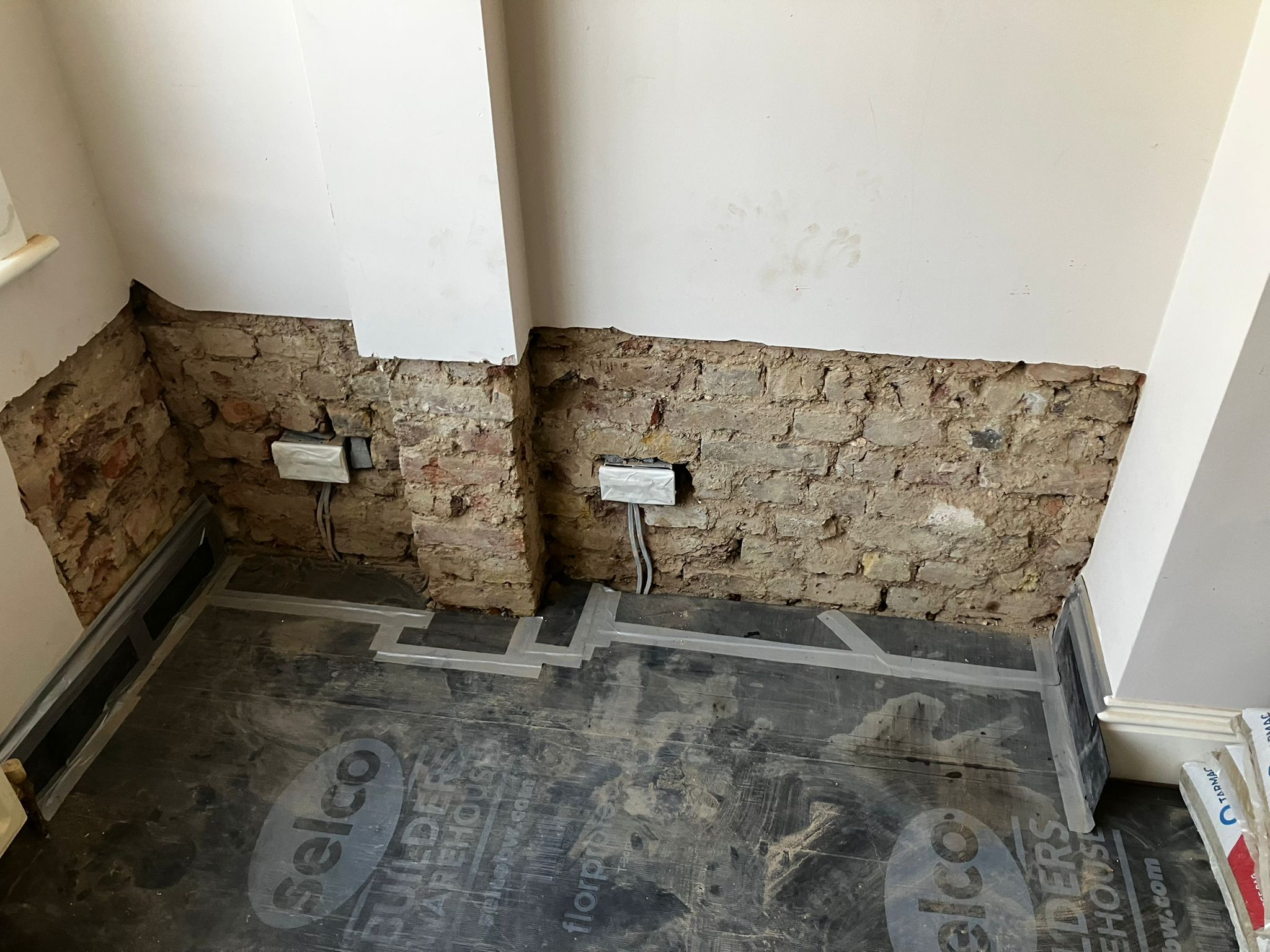
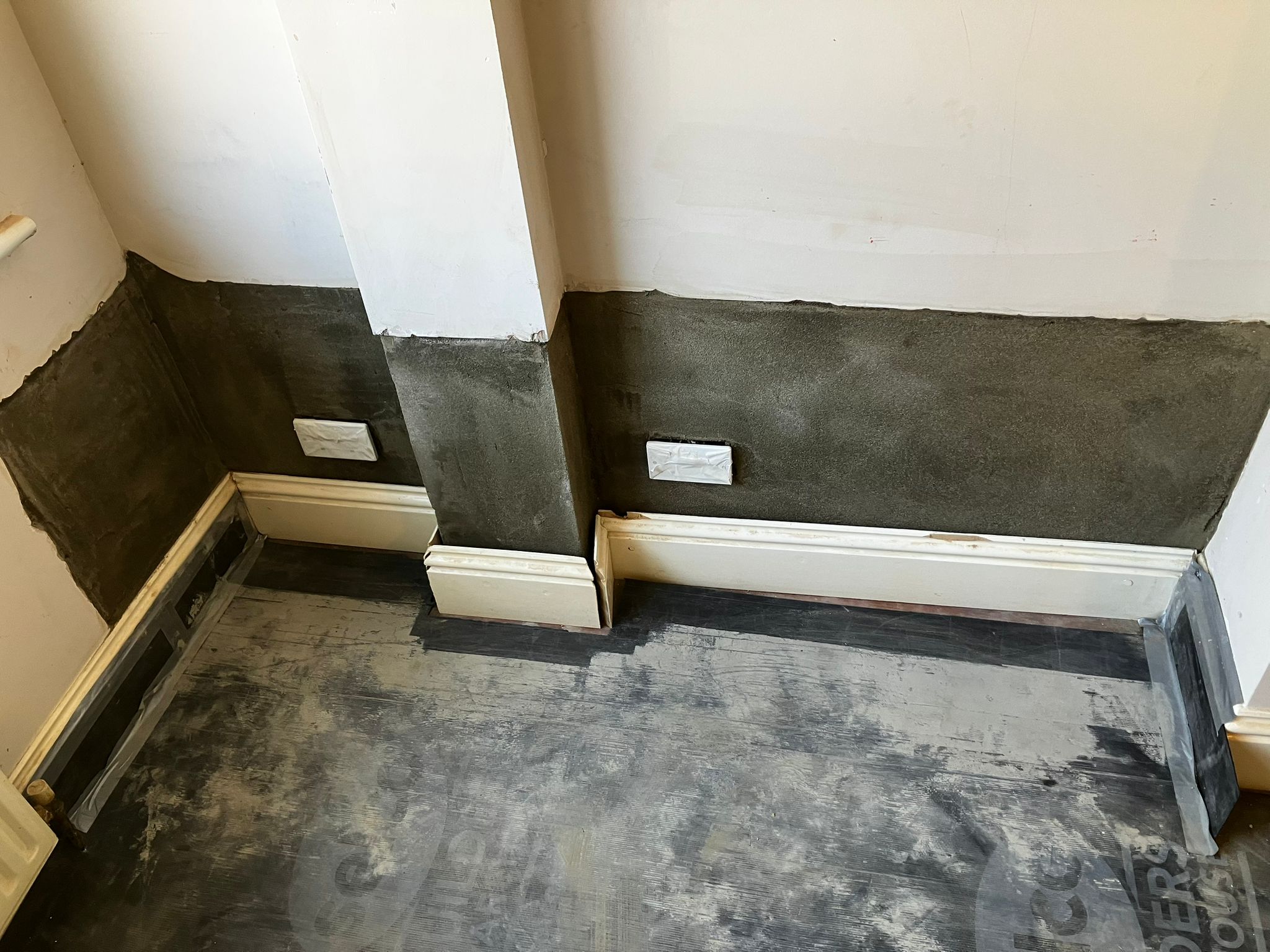
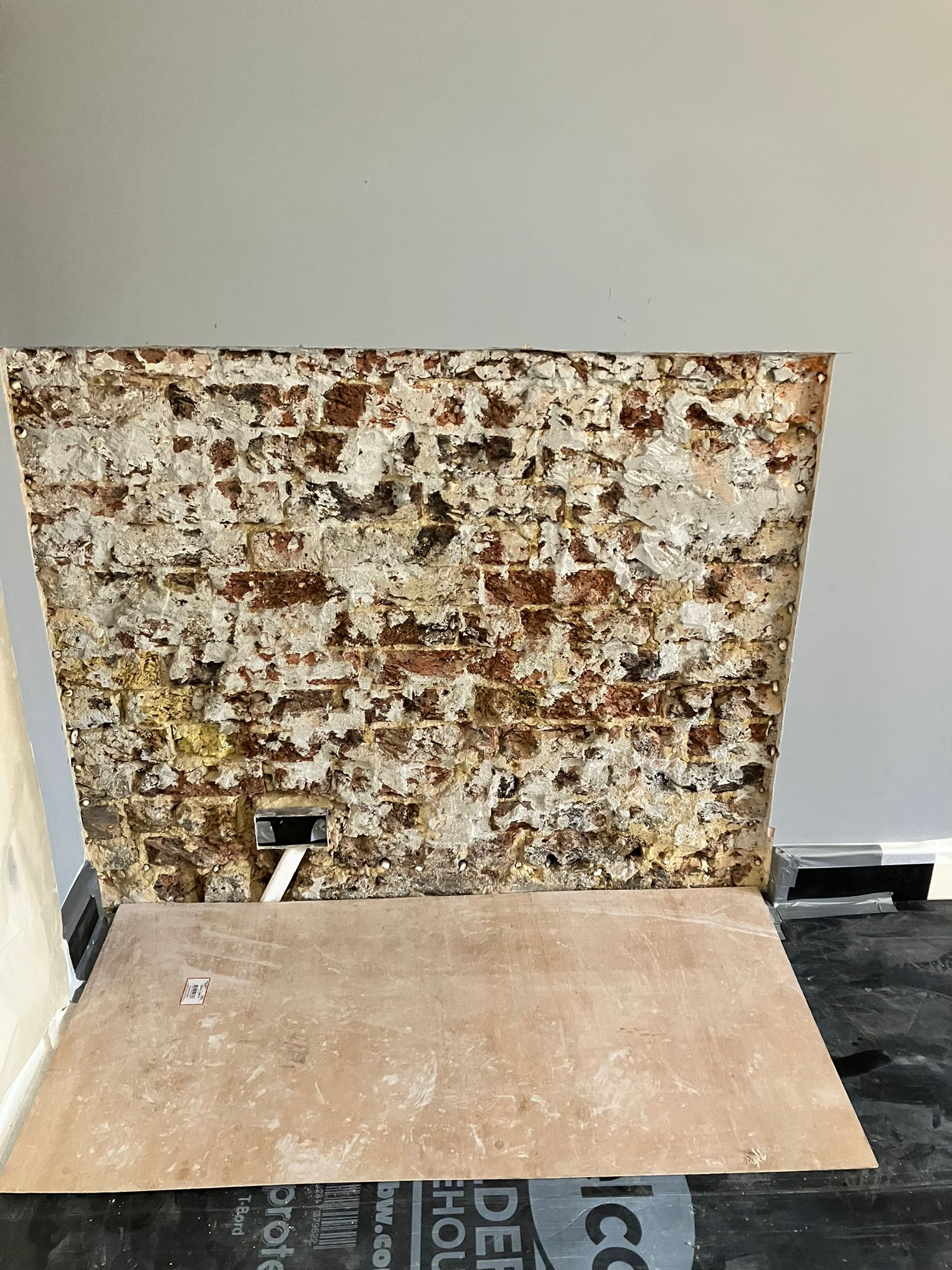
Diagnosing and Installing Chemical DPC Systems BS 6576 sets out how to identify and treat rising damp safely and effectively. It covers:
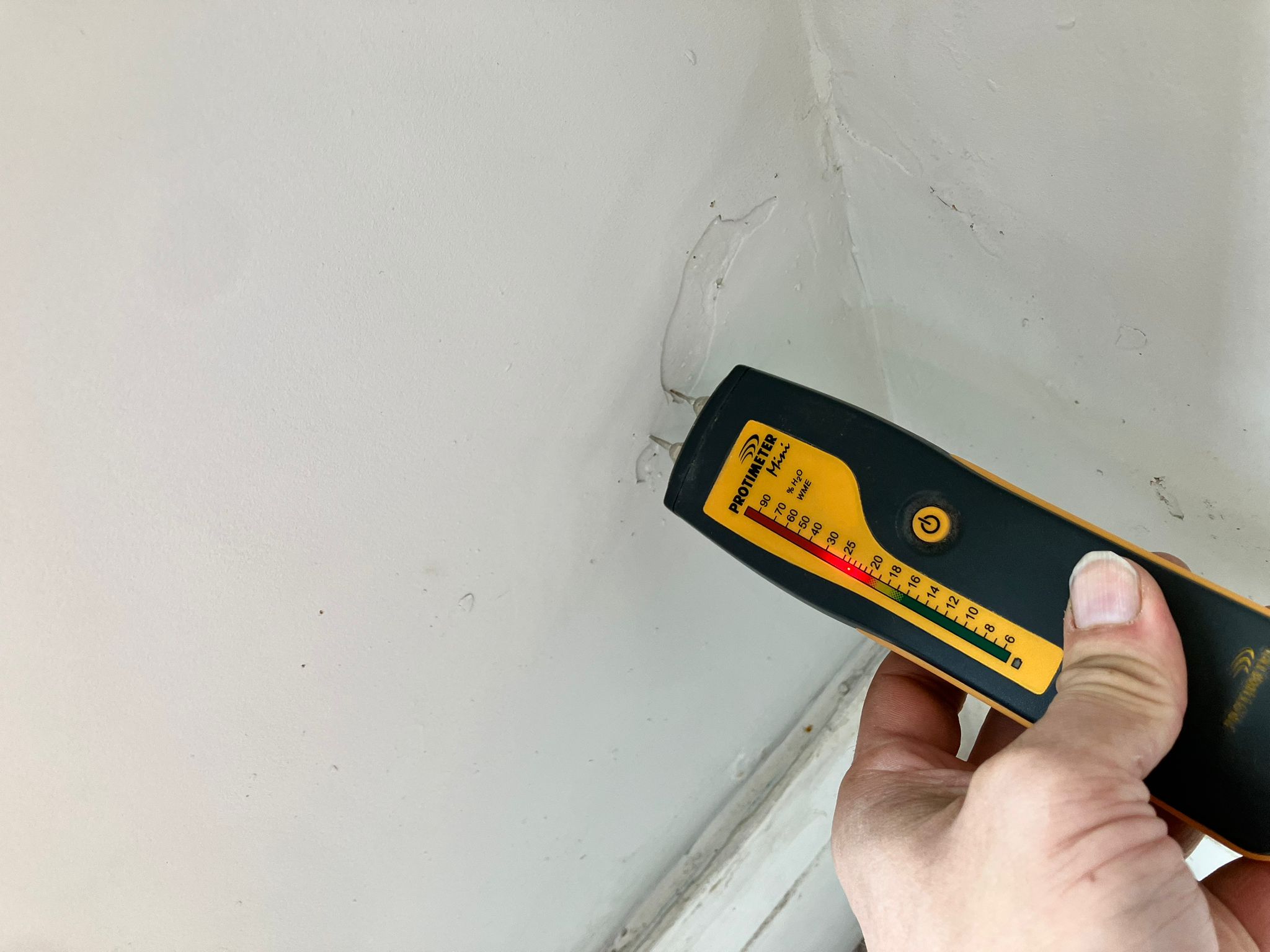
Site inspection and moisture measurement methods.
Correct injection heights and drilling patterns for DPC creams.
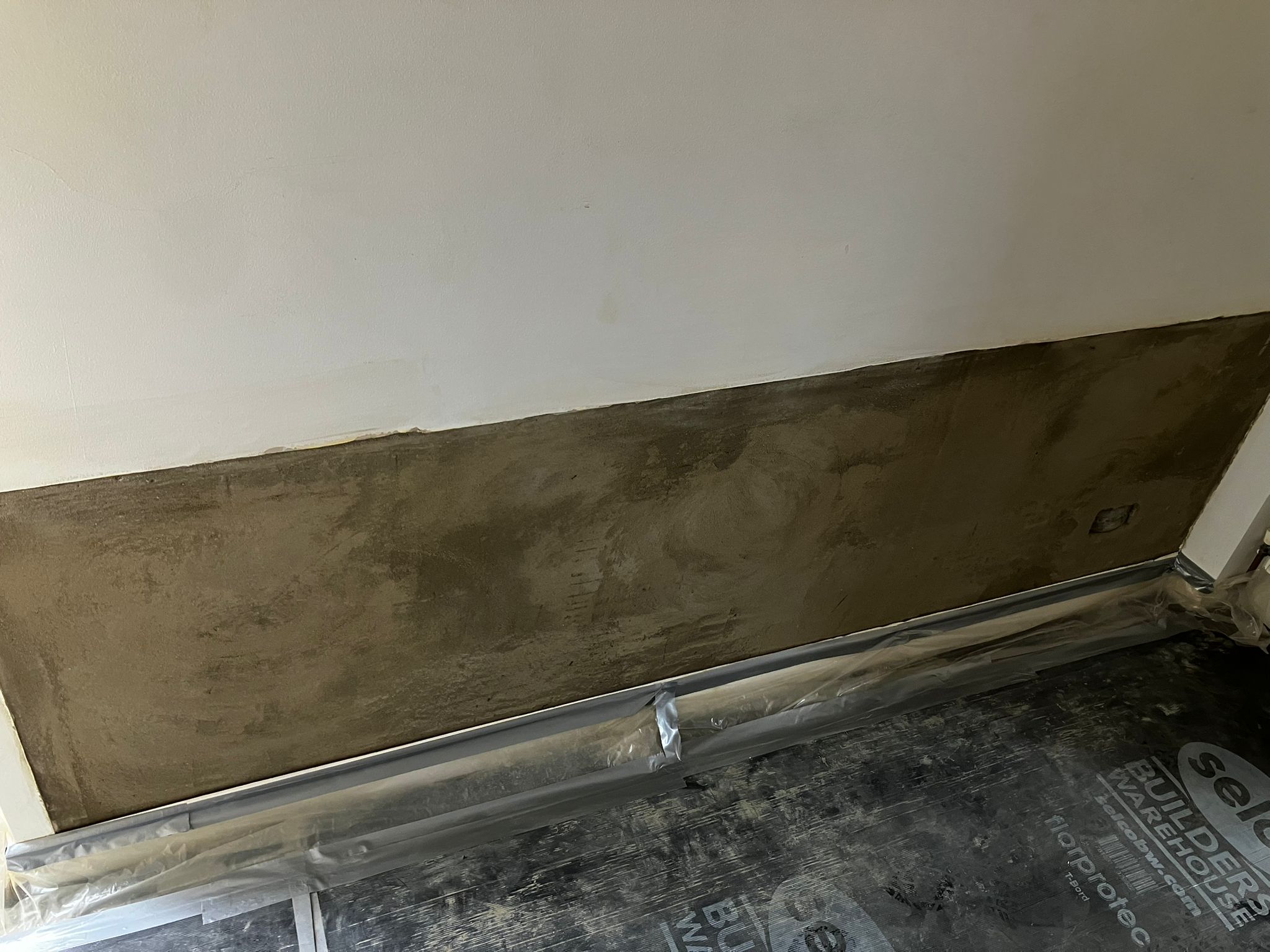
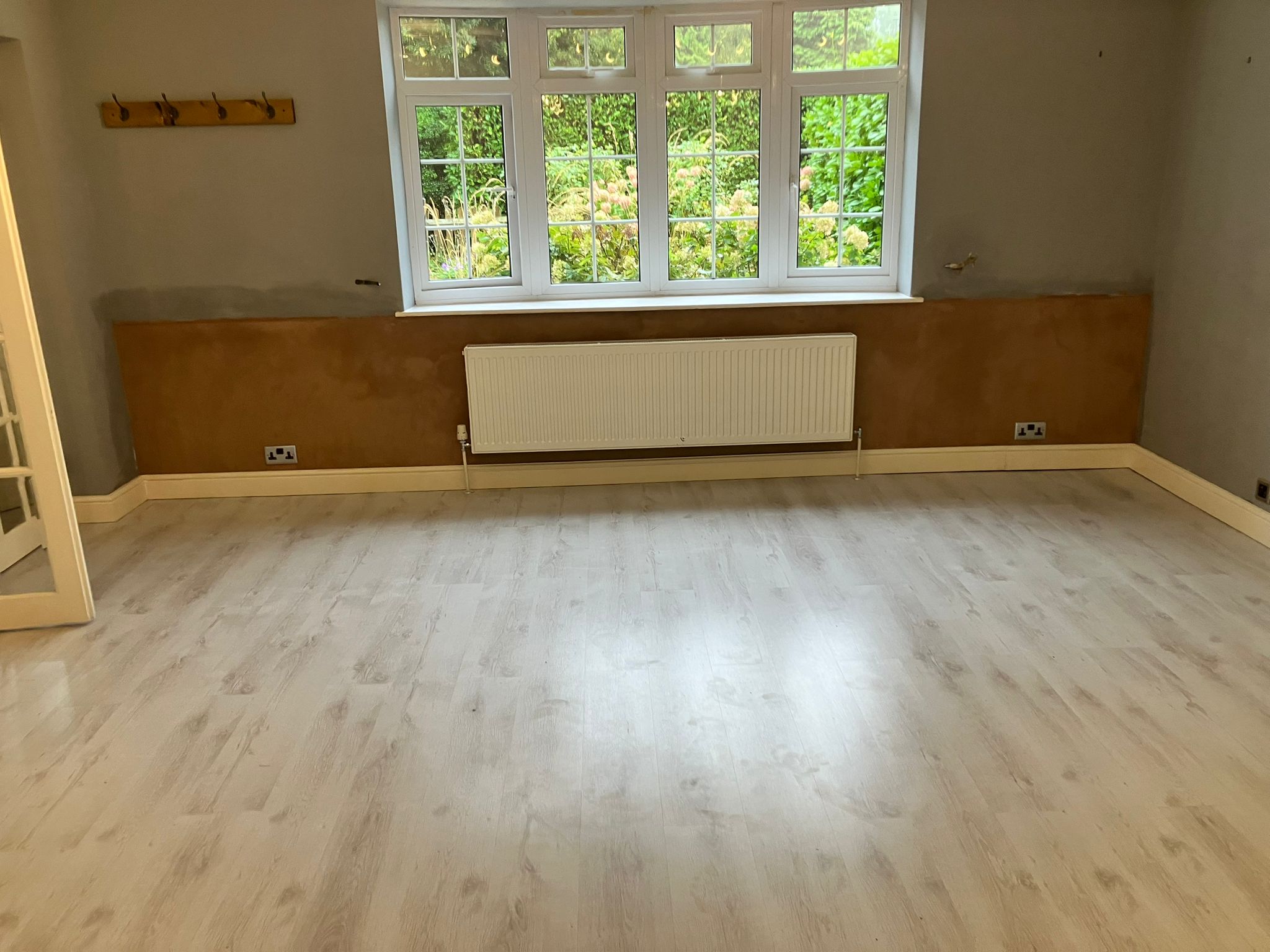
Replastering specifications using salt-resistant renders.
Required drying periods and aftercare.
BS 5250 explains how to manage condensation risk through ventilation, insulation and vapour control. I apply its principles when specifying ventilation or thermal improvements for condensation cases.
Type A System
Barrier applied to structure to resist water pressure.
Type B System
Structure itself made watertight (e.g. integral concrete).
Type C System
Drained cavity system that collects and removes water.
DPC
Damp Proof Course — horizontal barrier preventing rising moisture.
Hygroscopic Salts
Mineral salts that absorb moisture from air and stay damp.
Capillary Action
Movement of water up through tiny pores in brick or mortar.
Combined Protection
Using two systems (e.g. Type A + C) for reliability.
Clients can request copies of or links to:
PCA Codes of Practice (PDF summaries)
BS 8102 : 2022 overview guides
BS 6576 homeowner summary
Maintenance log templates for Type C systems
I regularly publish short guides on topics like:
“Why Combined Protection is Now Best Practice (BS 8102 Update)”
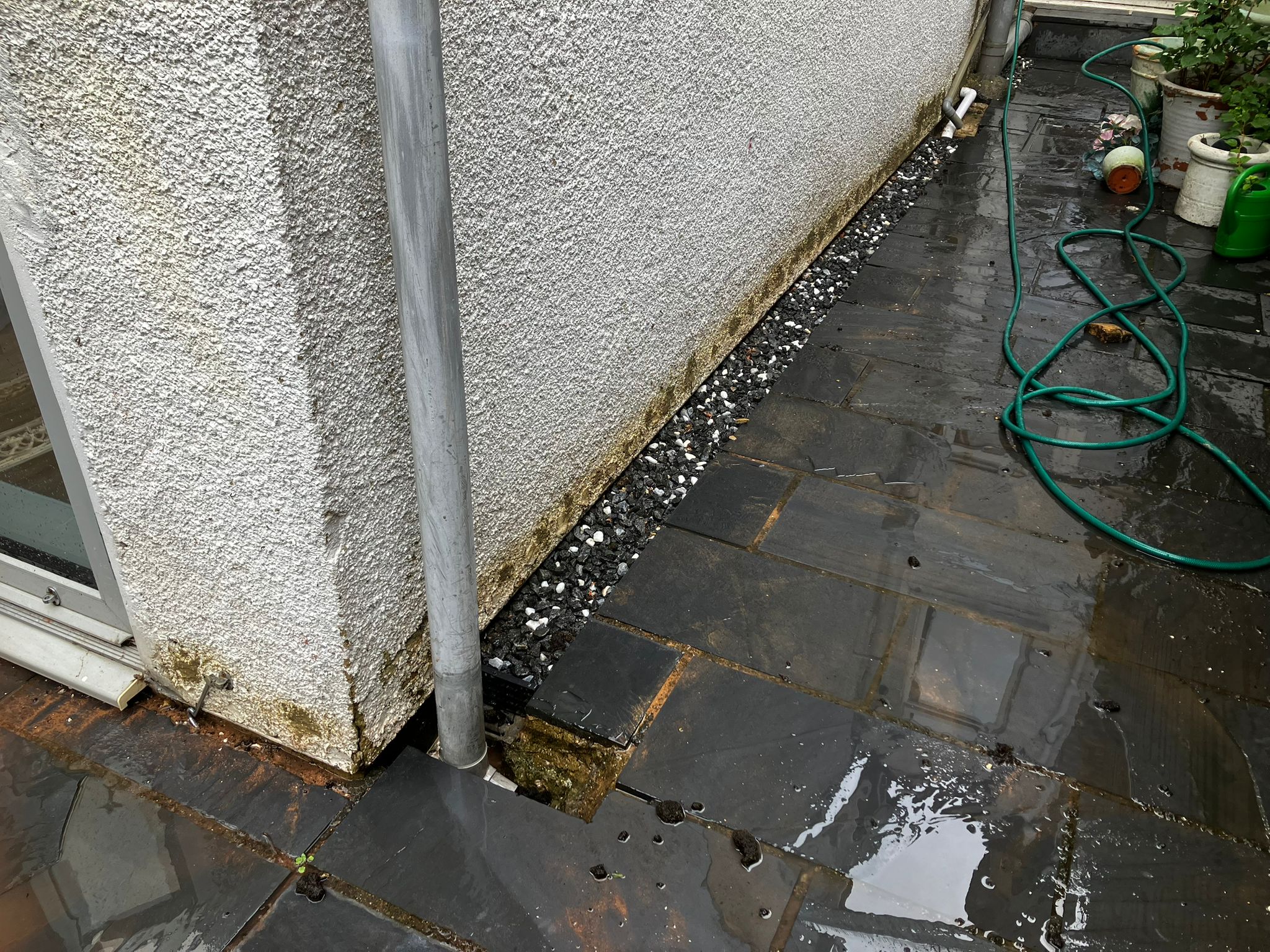
“How to Check Your Property for Bridged DPCs”
“The Difference Between Tanking and Cavity Drain Systems”
“Maintaining Sump Pumps in Basement Conversions”
Each article links to the relevant standard for further reading.
If you’re planning a basement conversion or damp proofing work and need guidance on the right system, I’m happy to help. I can review architect drawings, carry out site assessments and design a solution that meets current British Standards and PCA practice.
newdpc.co.uk provides technical guidance on structural waterproofing and damp proofing to PCA and BS standards across South London, Surrey and Kent. All designs and reports comply with BS 8102 : 2022 and BS 6576 : 2015.


.jpeg)

.jpeg)

.jpeg)
.jpeg)
.jpeg)


.jpeg)
.jpeg)
.jpeg)
.jpeg)
.jpeg)
.jpeg)
.jpeg)


.jpeg)
.jpeg)
.jpeg)
.jpeg)
Honest surveys.
Permanent results.
Honest surveys.
Permanent results.


