newdpc.co.uk
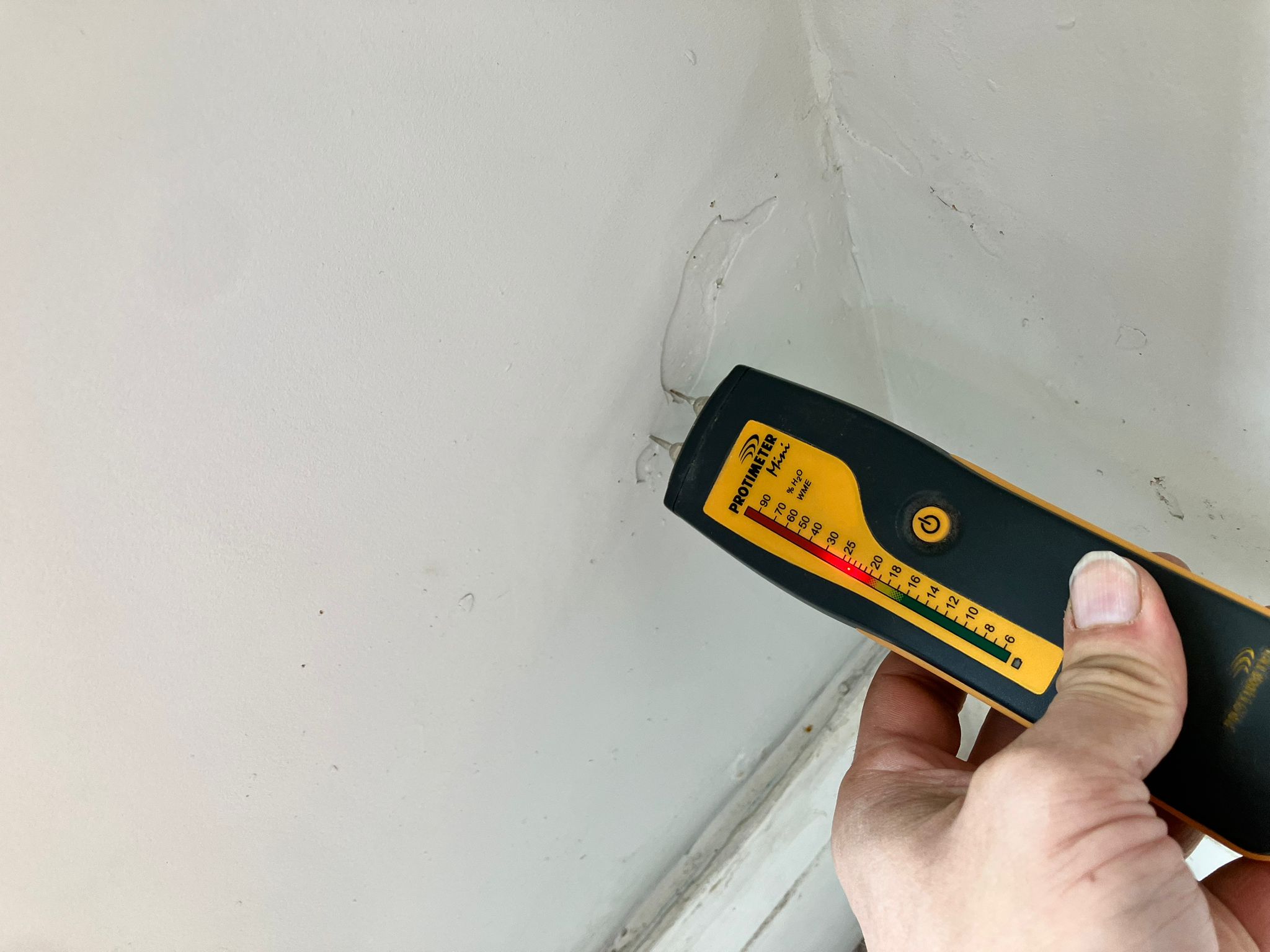
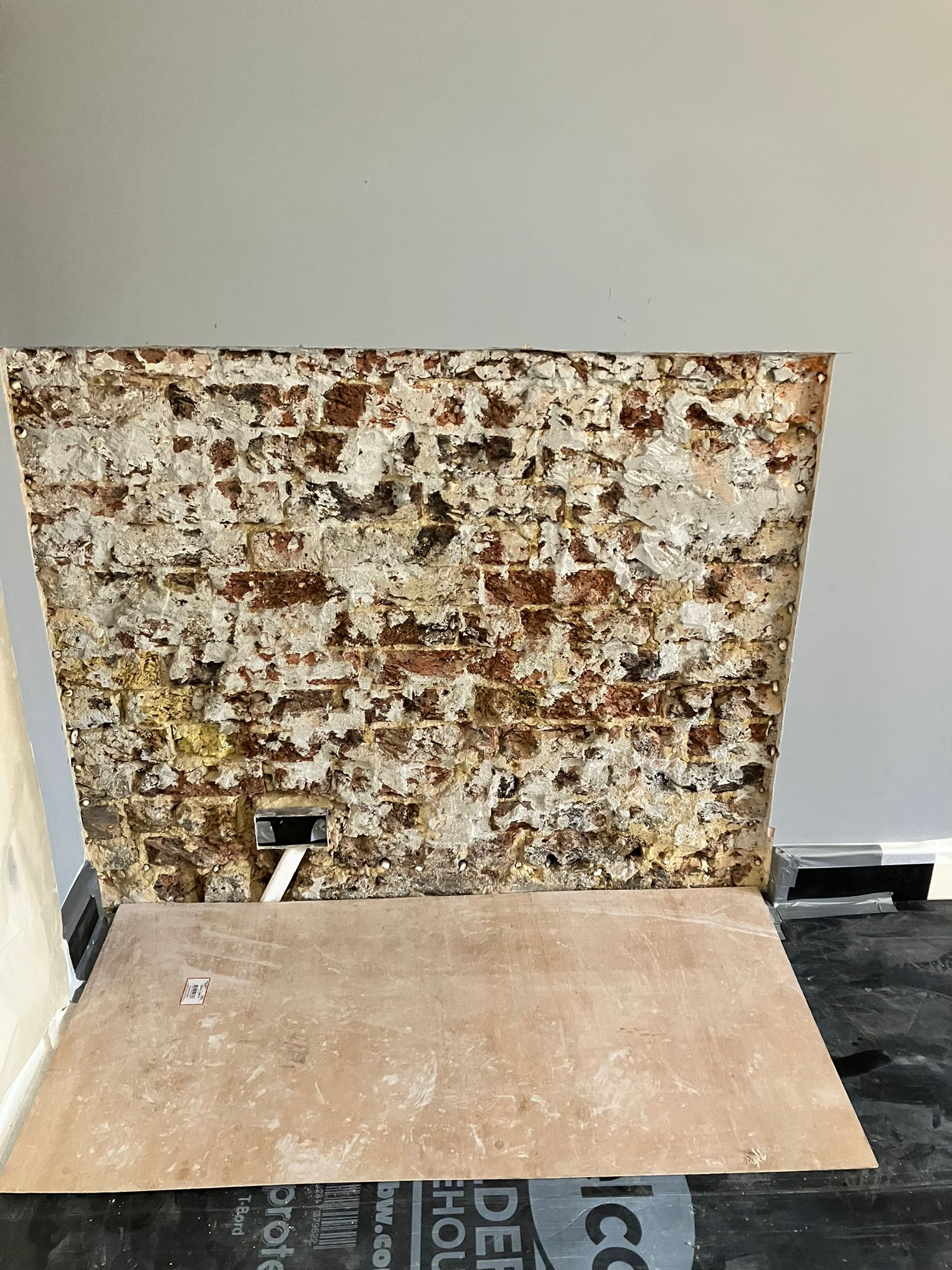
Penetrating damp happens when rainwater seeps through the external envelope of a building — usually because of defective pointing, cracked render, blocked gutters or high external ground levels. It shows up as isolated dark patches or wet areas that get worse after rain.
I approach every case with the same principle: find the entry point, fix the cause, and let the wall breathe again.
1️⃣ Cracked Render & Defective Pointing – Allowing wind-driven rain into the masonry.
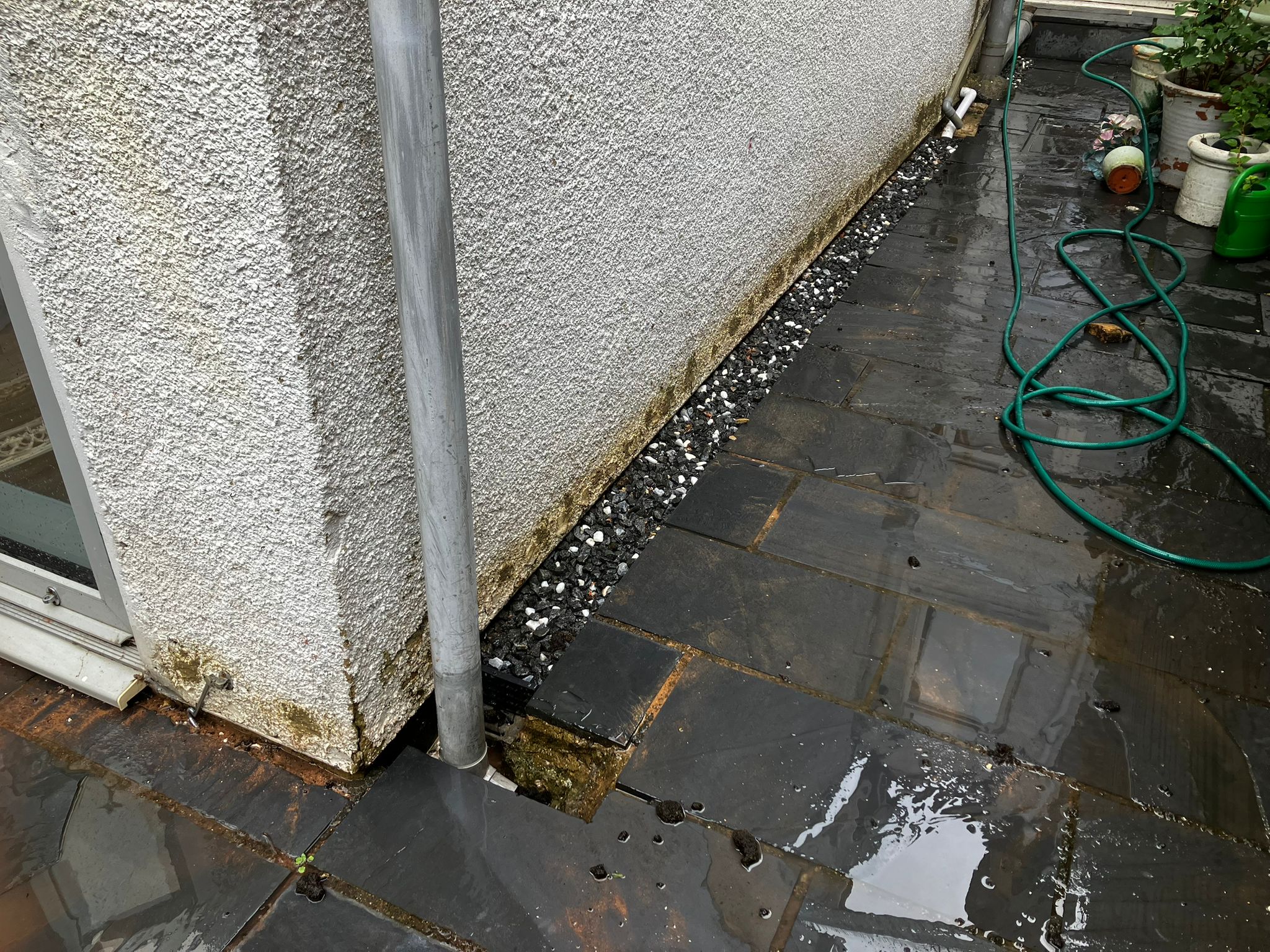
2️⃣ Blocked Gutters & Downpipes – Overflowing against walls and window heads.
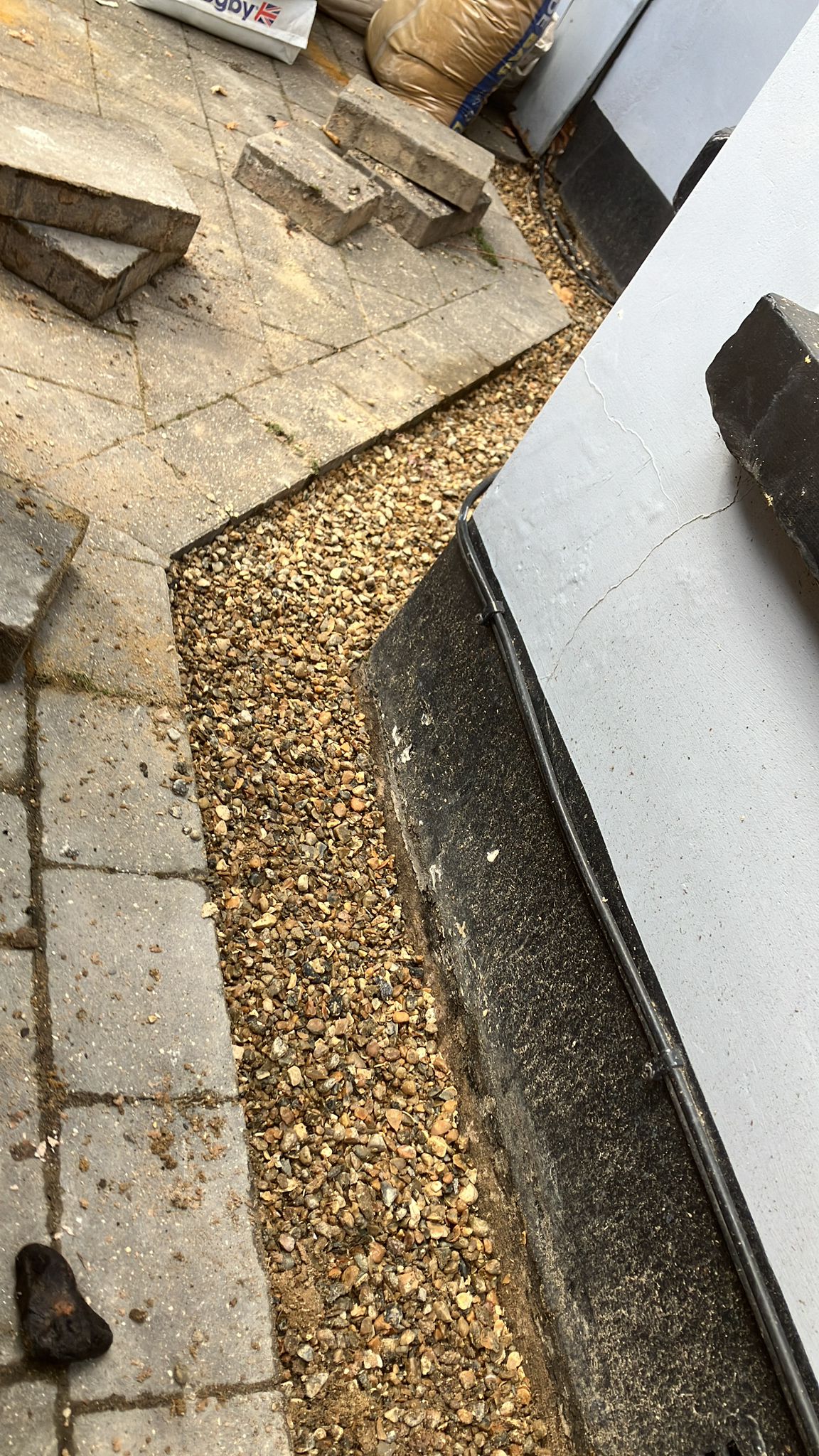
3️⃣ Bridged DPCs & High Ground Levels – Soil or paths built up above the original barrier.
4️⃣ Roof Leaks & Failed Flashings – Introducing water from above.
5️⃣ Trapped Moisture – Non-breathable paints or cement renders locking water in.
Structural cracks around windows, doors or bay areas can be a sign of brickwork movement and often allow rainwater to enter the property, leading to damp. Helibars (stainless steel helical bars) are used to stabilise cracked masonry without major rebuilding. Installed into mortar joints, they tie the wall back together and prevent further movement. Helibars are typically recommended for bay window cracks, dropped lintels, stepped/diagonal brick cracks, or where movement is causing penetrating damp.
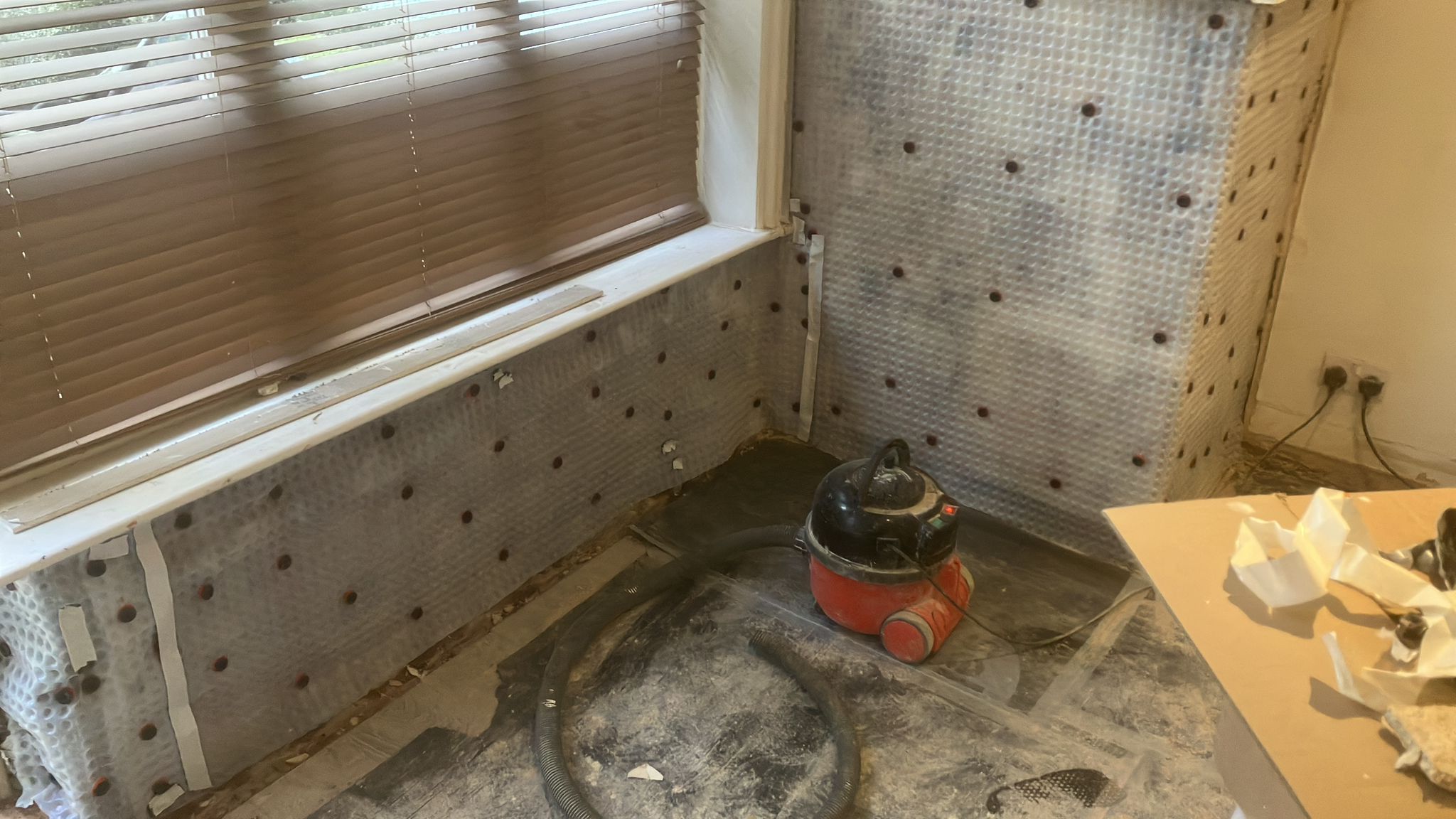
Delta Membranes & Pumps – High-performance cavity drainage waterproofing with reliable serviceable pump systems.
Permagard Cavity Drain Membrane Systems – Durable, BBA-approved membranes for basement and wall waterproofing.
Sika 1 / KA Tanking Systems – Cementitious waterproofing render for retaining walls and areas exposed to lateral water pressure.
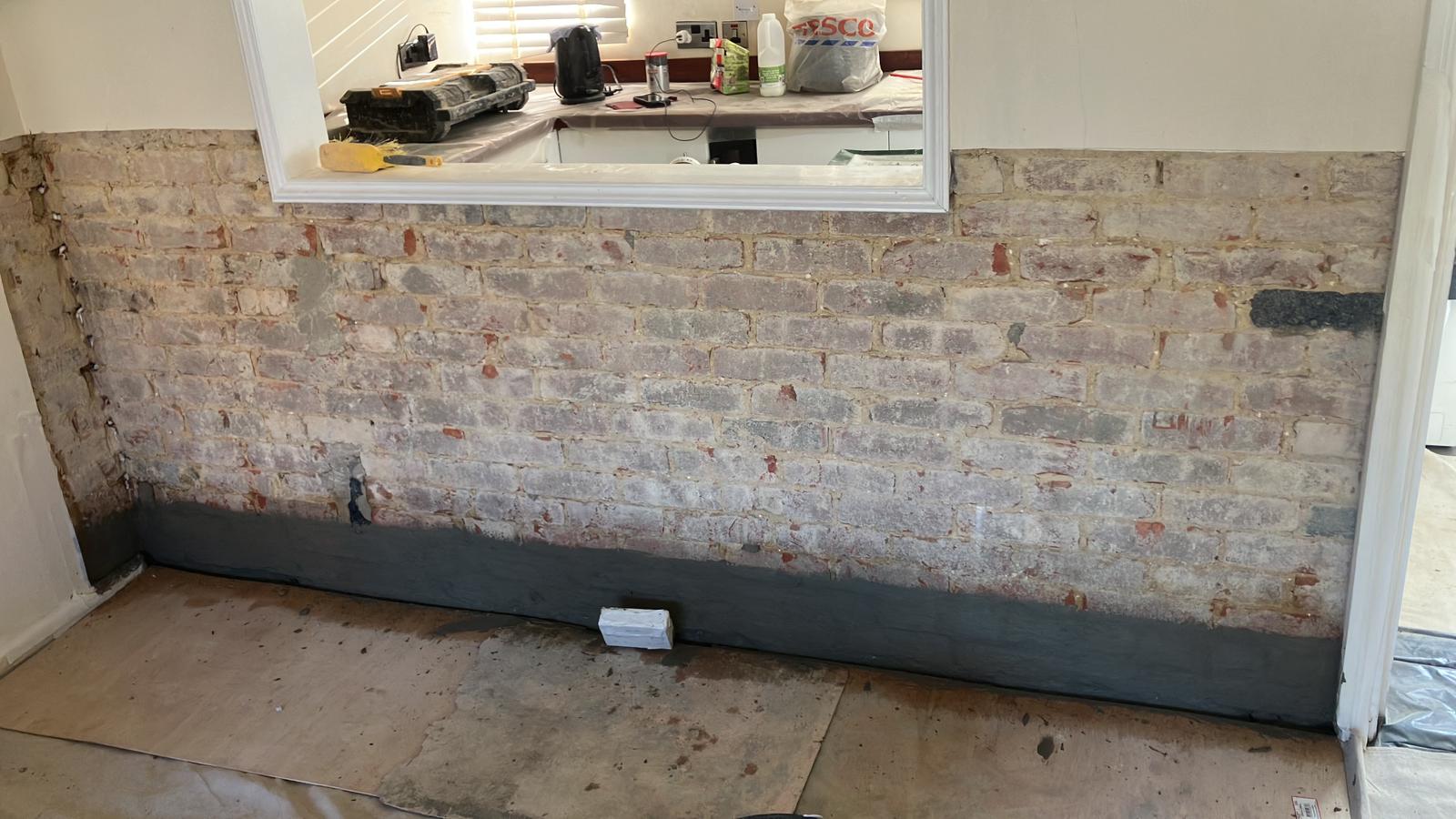
Dryzone / Dryrod DPC Systems – Certified chemical damp proof course solutions for rising damp control.
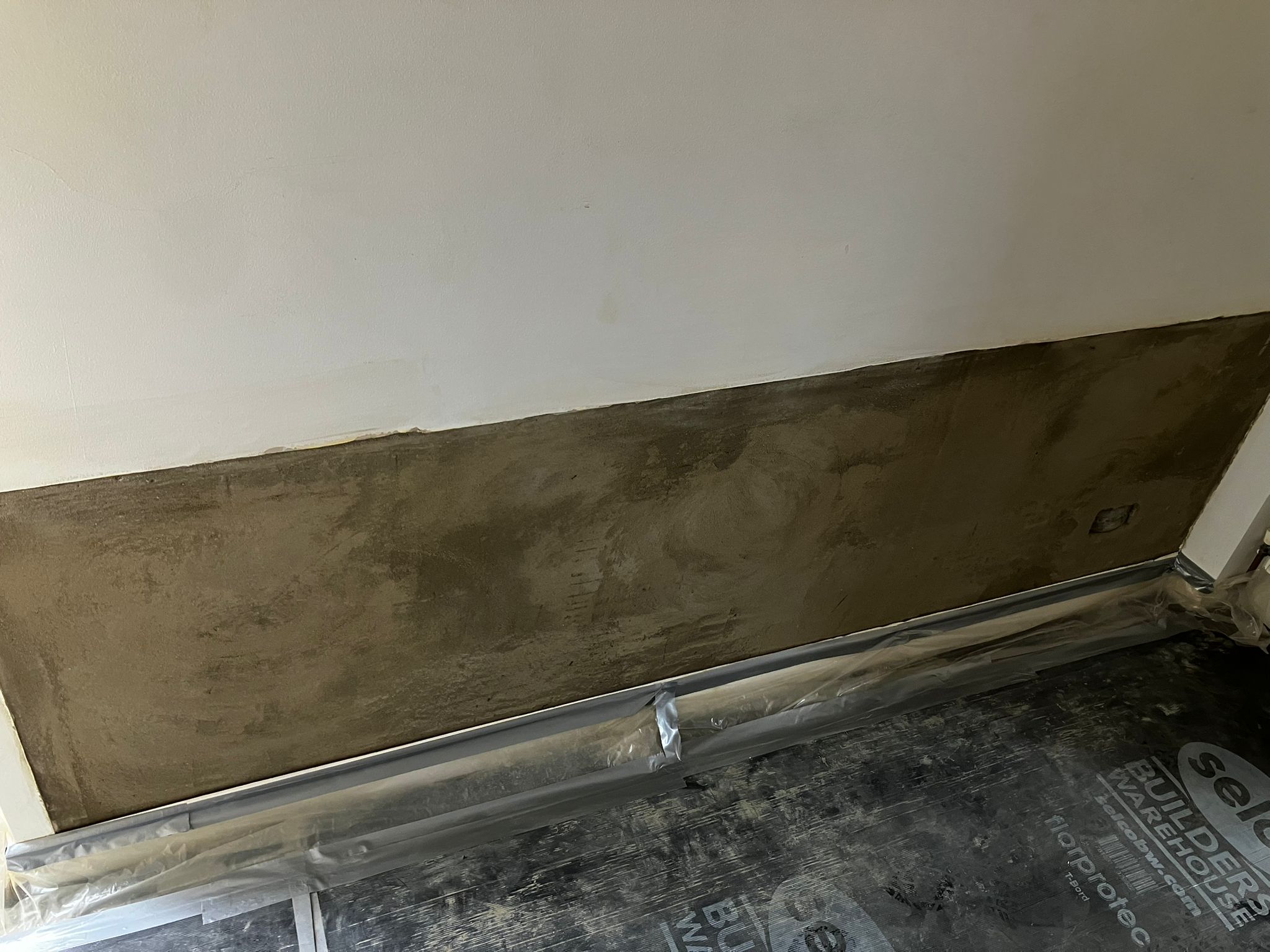
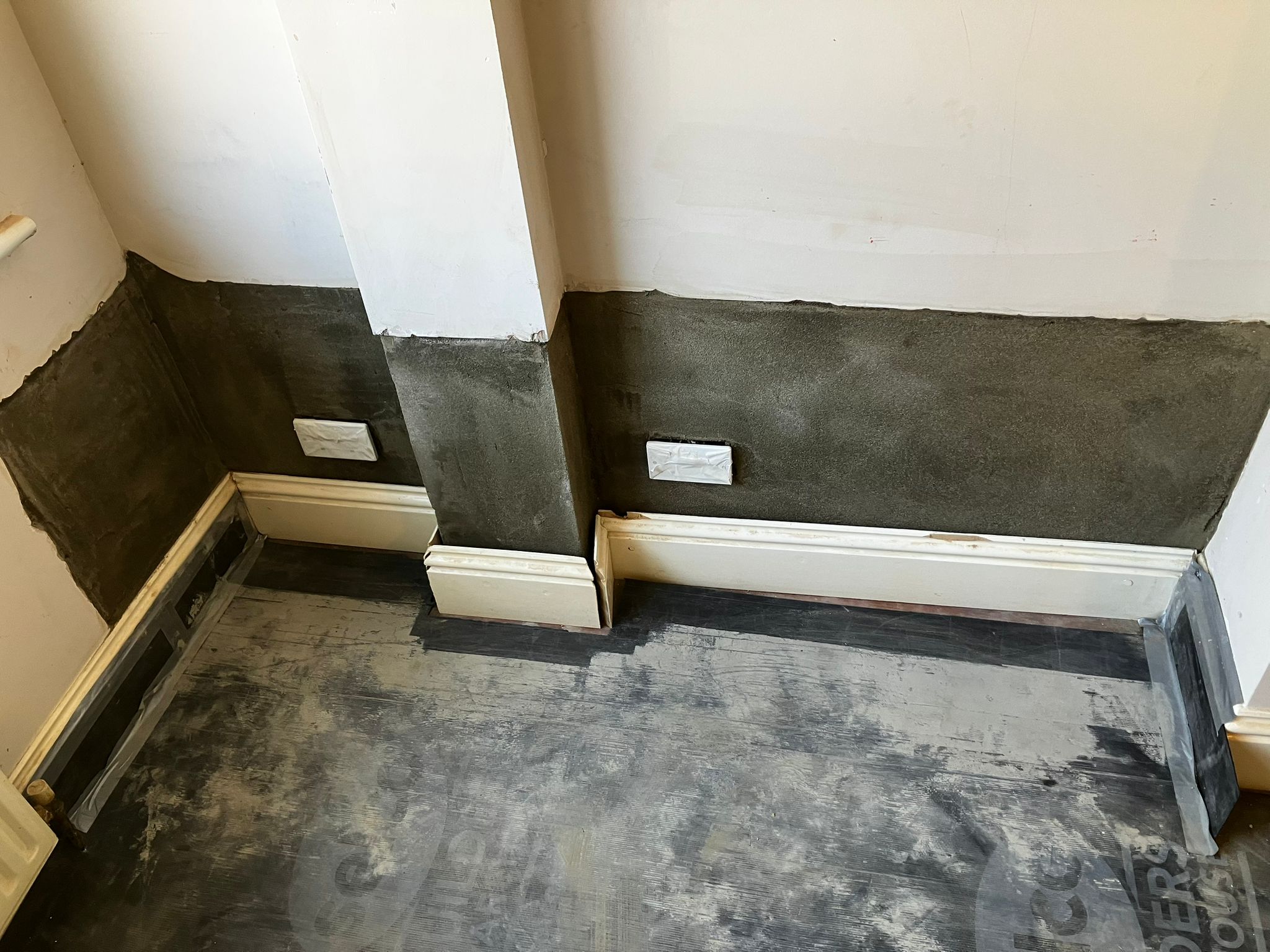
RenderGuard Gold Salt-Inhibiting Render – Prevents hygroscopic salt contamination after DPC installation.
Helifix Helibar Reinforcement – Structural crack stitching and masonry stabilisation for bay windows and cracked brickwork.
Vapour Control Layers & PIR Insulation – Used where internal humidity or thermal loss must be controlled.
All materials and methods comply with PCA Codes of Practice and the moisture-management principles of BS 8102 : 2022 and BS 6576 : 2015.
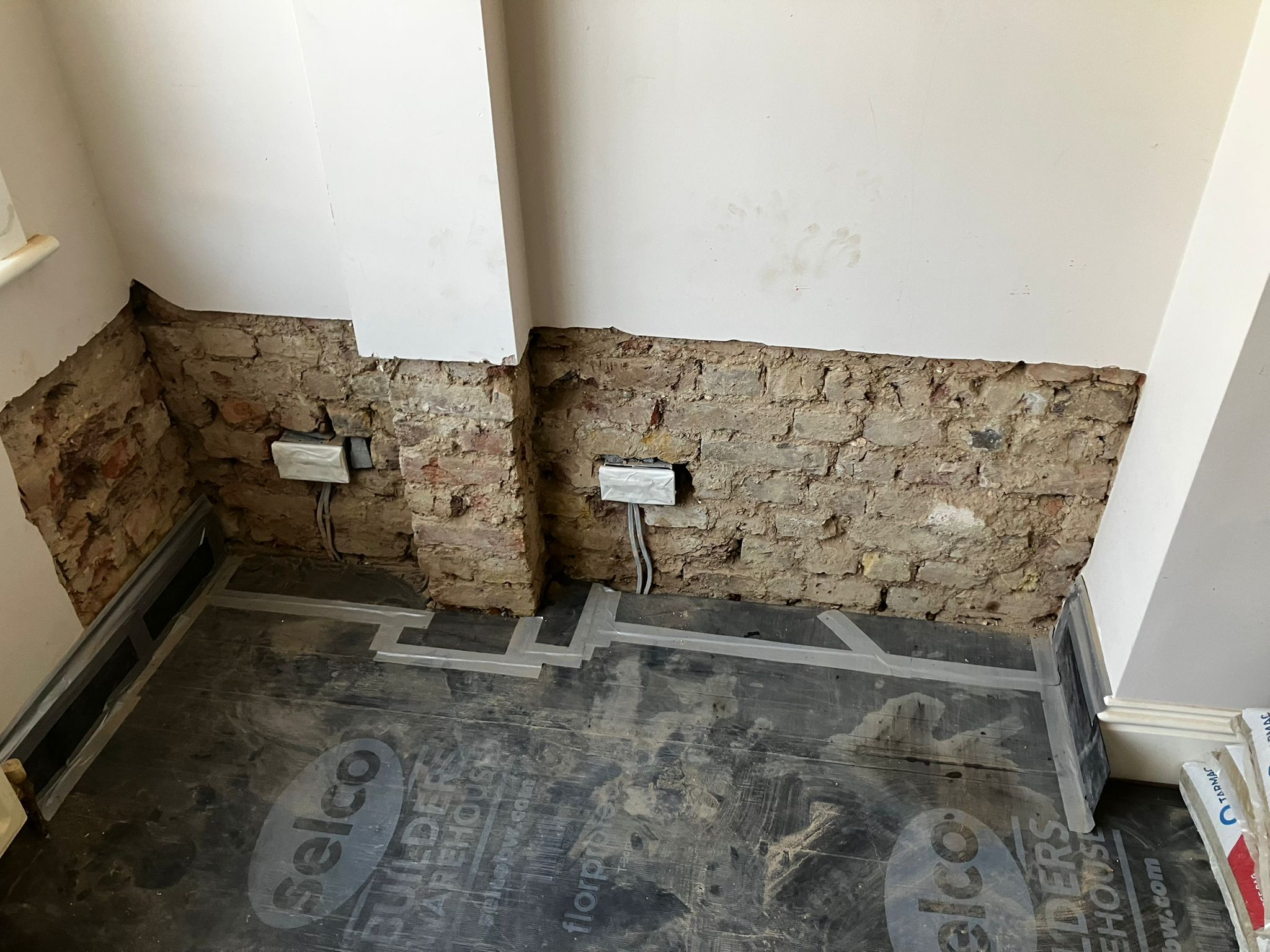
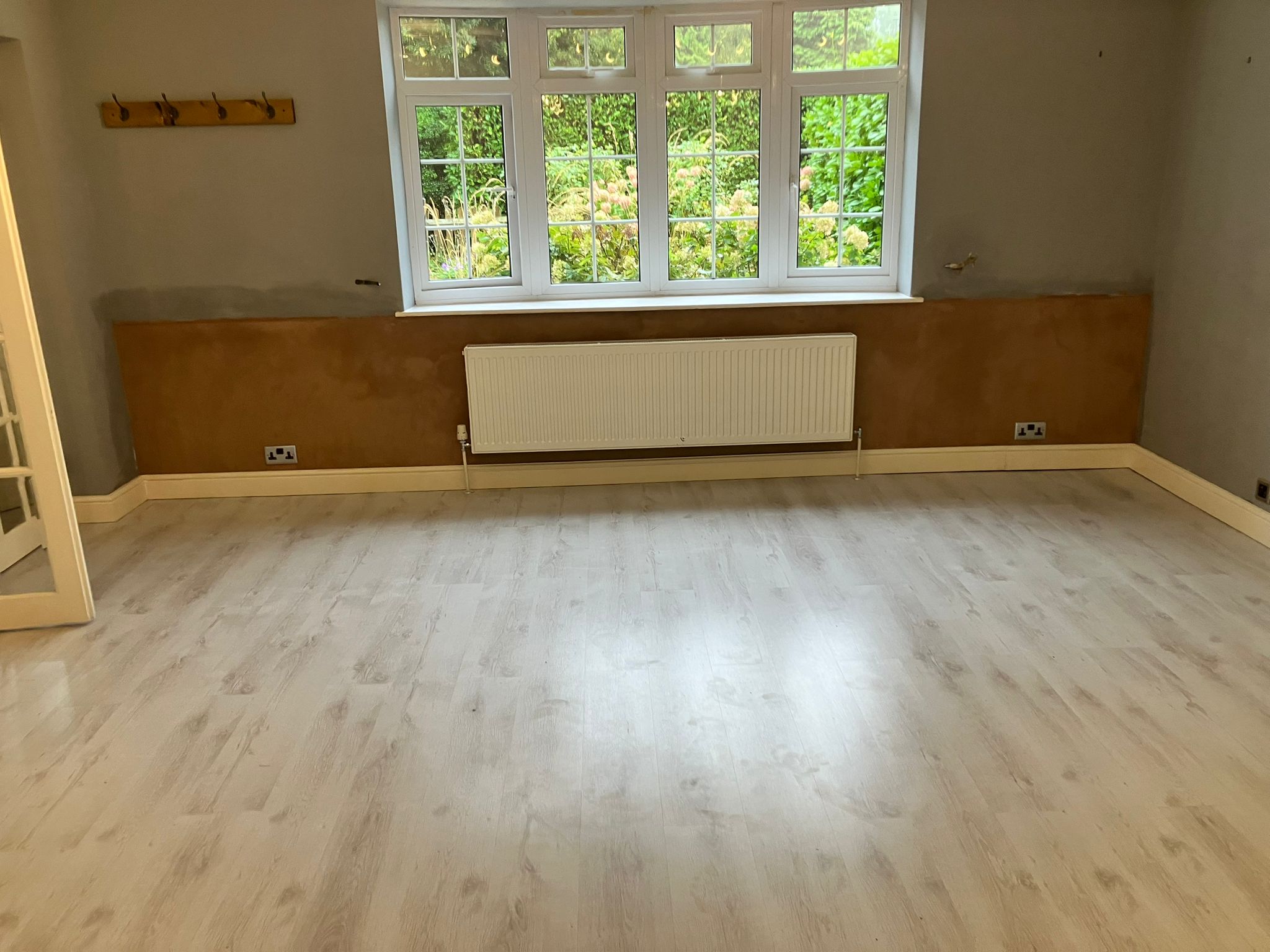
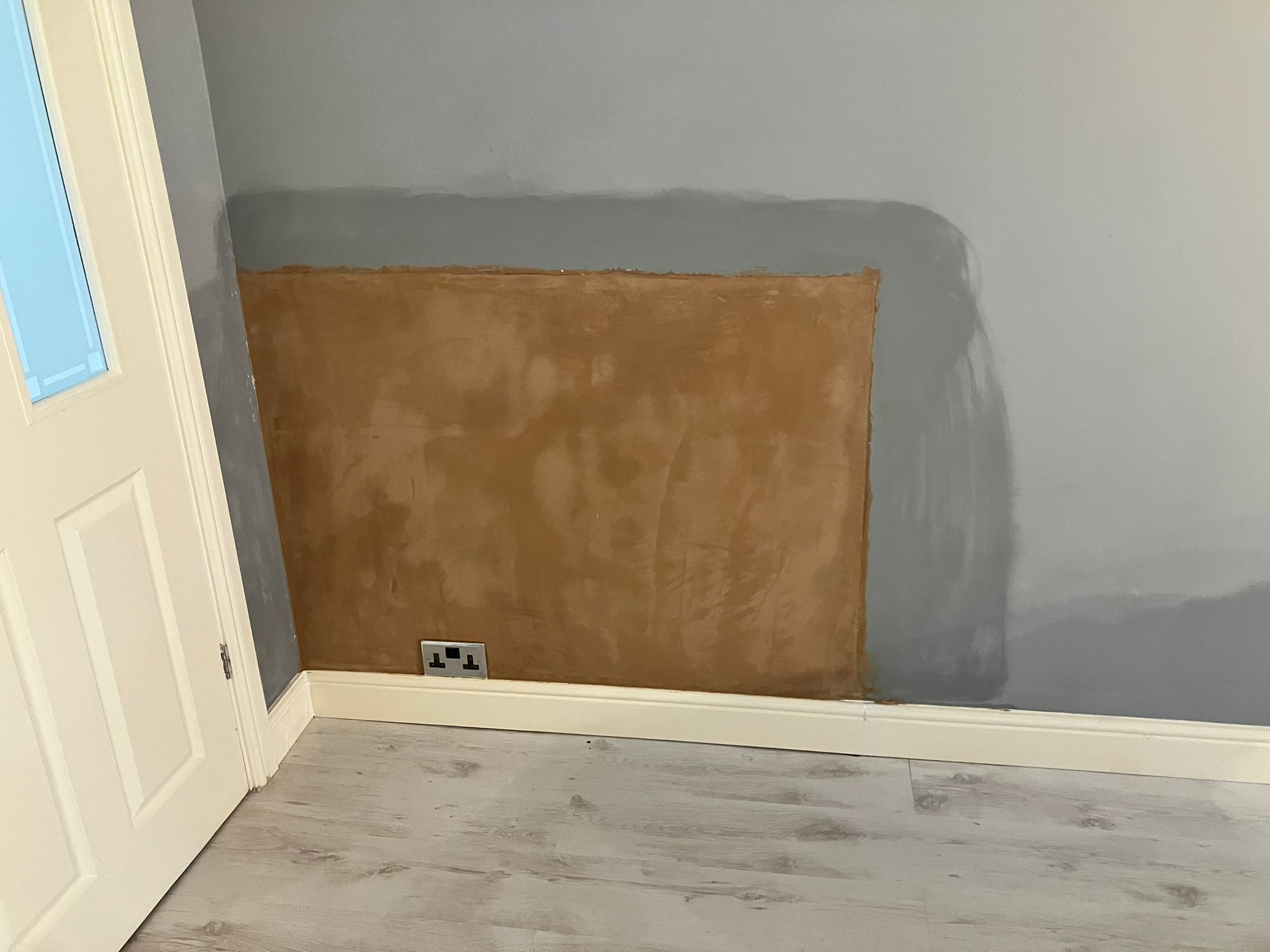
Walls usually take 6–12 months to dry completely, depending on thickness and ventilation. I always recommend leaving walls unpainted for the first few months and keeping rooms well ventilated.
If you’re planning decorating soon after treatment, I can apply a breathable membrane plasterboard system to speed things up without trapping moisture.
All rising damp treatments are backed by a written 20-year guarantee. I also offer optional Insurance-Backed Guarantees (IBG) for additional peace of mind. (please be aware of their terms and conditions, fees and that they are often between £1000 and £2000 extra and are in place of my personal 20-year guarantee.)
Work complies with:
BS 6576: 2015 – Code of practice for diagnosis and installation of chemical DPCs
PCA Code of Practice for Remedial Damp Proof Course Installation
BS 5250: 2021 – Control of condensation in buildings
Book a survey and I’ll trace the source of penetration and recommend a permanent, breathable repair method — without sealing moisture into the wall.
newdpc.co.uk provides PCA-aligned penetrating damp and rainwater ingress repairs throughout South London, Surrey and Kent. All treatments comply with BS 8102 and BS 6576 standards and can include insurance-backed guarantees.


.jpeg)

.jpeg)

.jpeg)
.jpeg)
.jpeg)


.jpeg)
.jpeg)
.jpeg)
.jpeg)
.jpeg)
.jpeg)
.jpeg)

.jpeg)
.jpeg)
.jpeg)
.jpeg)
Honest surveys.
Permanent results.
Honest surveys.
Permanent results.


